The Missing Layer in
Enterprise AI: Context

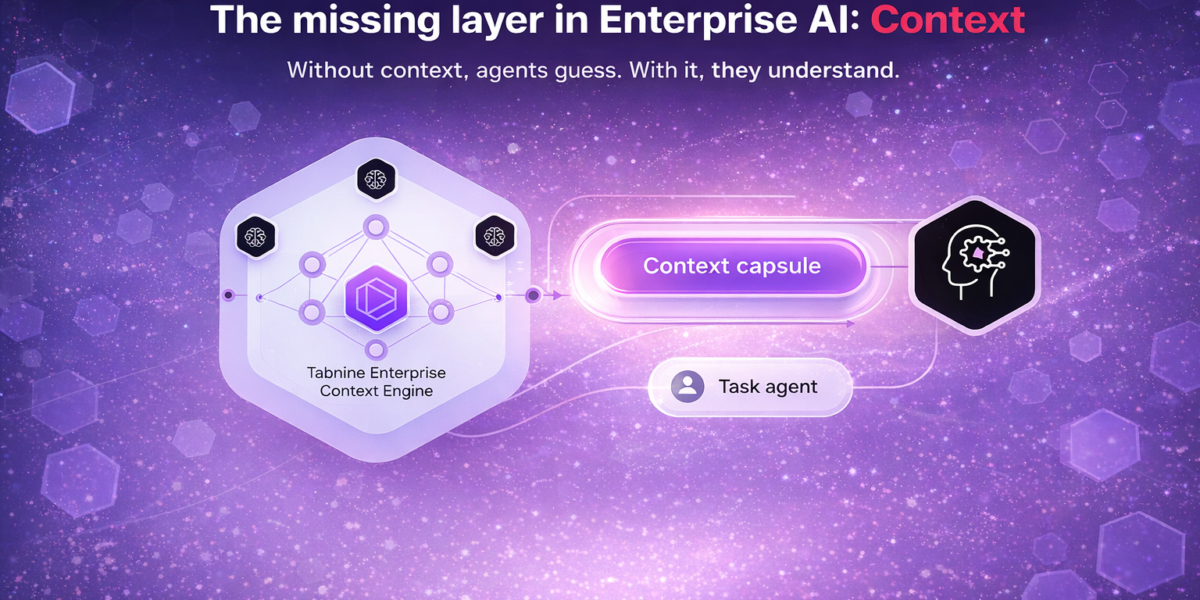
Without context, AI agents guess. The Enterprise Context Engine gives them the structured understanding they need to act with accuracy and confidence.

Client Logo 1
Client Logo 2
Client Logo 3
Client Logo 4
Client Logo 5
Client Logo
Client Logo

Your AI tools are generating code at unprecedented speed. Most of it is wrong.

gradient

Failed AI Merges

63%

Requires Rework

gradient

Cost of AI Code Rework

$2.4M

For average 500 engineering org

gradient

Longer Code Review Cycles

3.2x

when reviewing AI-generated code

Enterprise Context

Define the World
Your Agents Operate In

The missing layer in enterprise AI

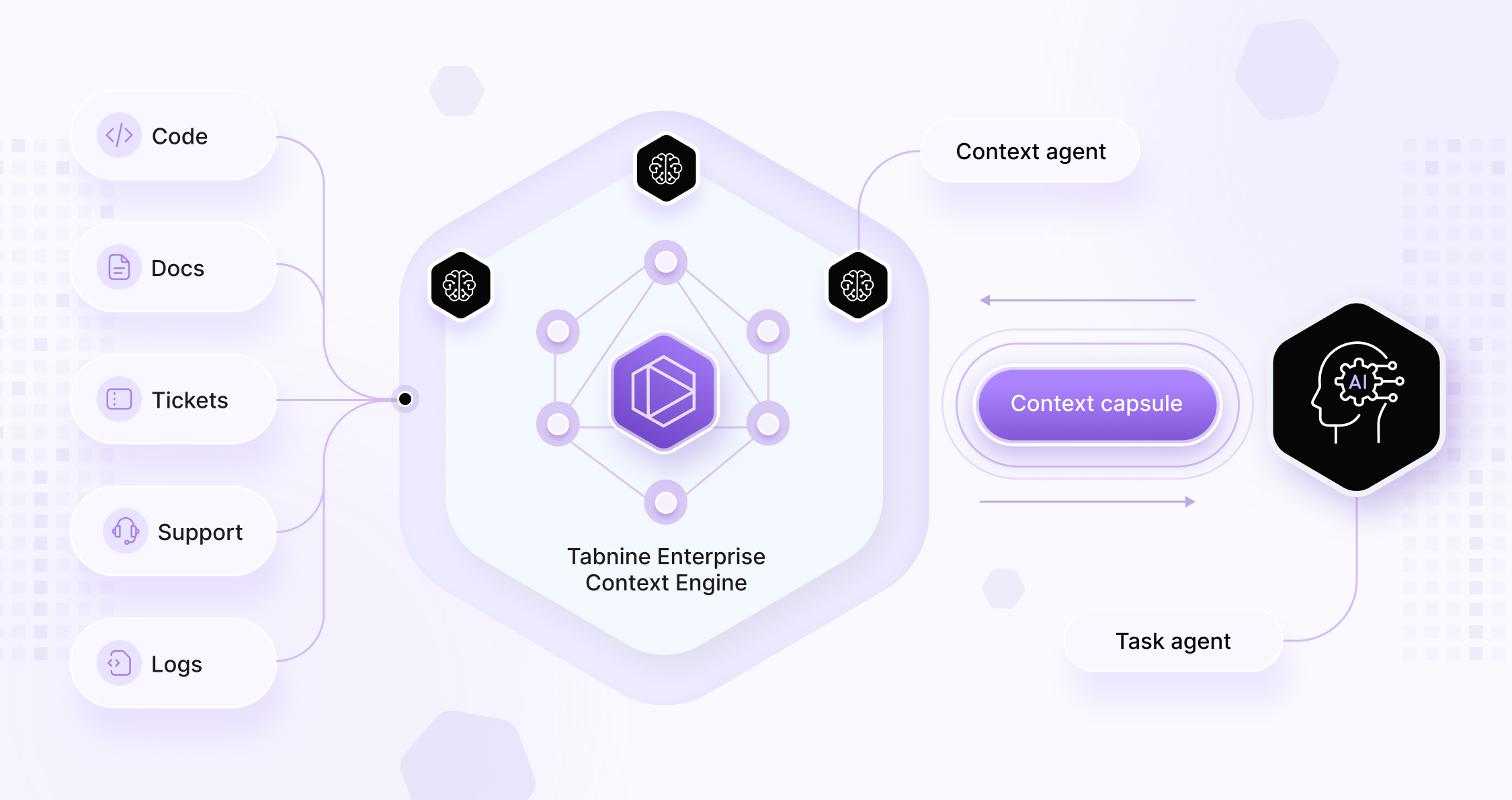
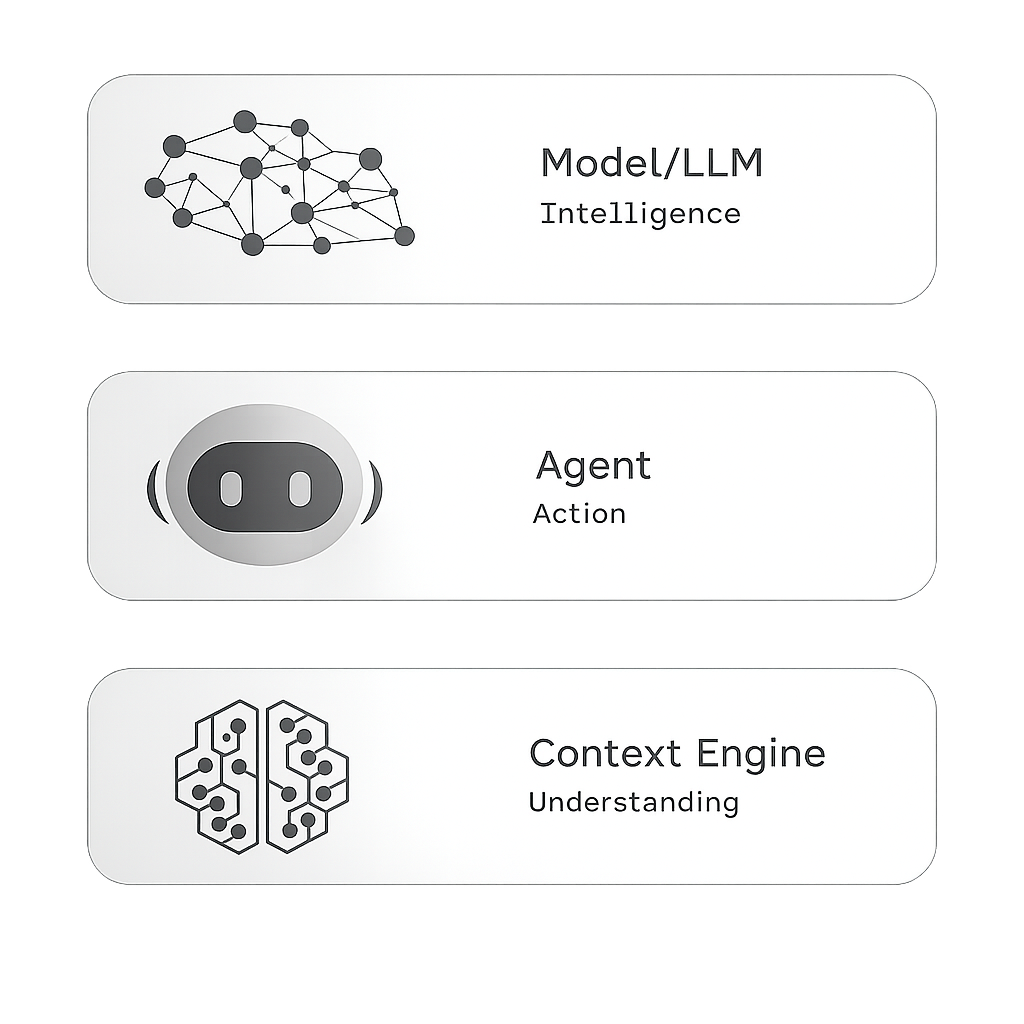
Models provide intelligence. Agents provide action. But enterprises need one more thing: understanding. Without context, automation breaks in complex systems. Every change introduces risk. Accuracy goes down while token consumption goes up.

Today's AI coding tools have been trained on the entire public internet. They know every framework, every language, every open-source pattern. What they don't know is the one codebase that matters: yours. They don't know that your team wraps all database calls in a retry handler. They don't know that service-to-service auth goes through your internal gateway, not direct HTTP. They don't know about the migration from Kafka to Pulsar that's half-finished, or the naming convention that took three RFCs to settle.

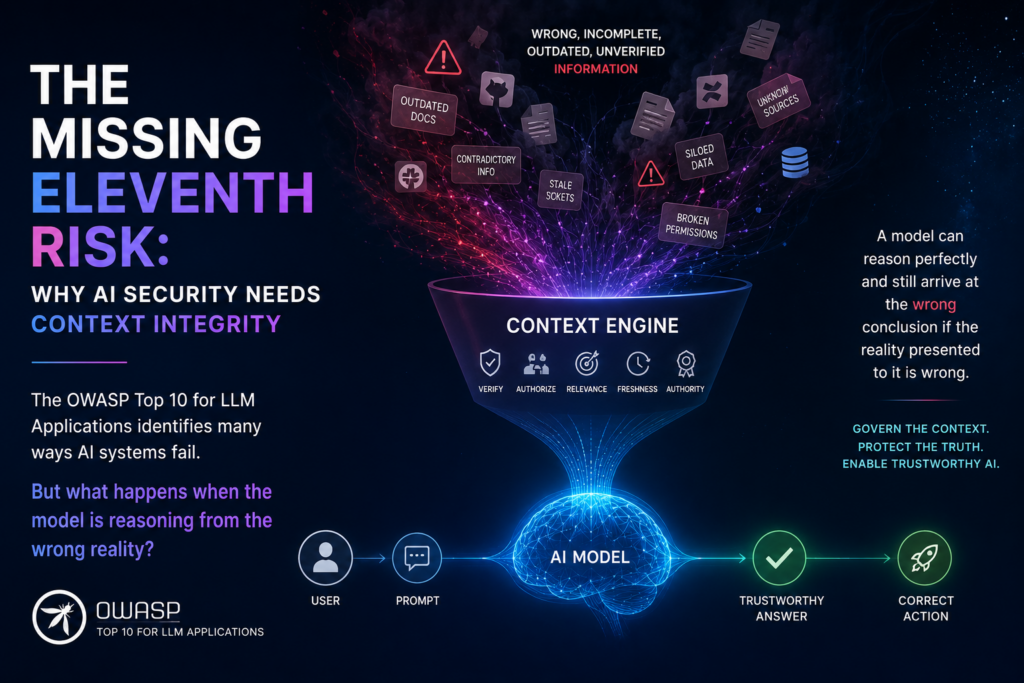
This isn't a model quality problem. It's a context problem. Without access to your organization's engineering intelligence, the most advanced AI in the world produces code that compiles perfectly and feels completely wrong to anyone who actually works here.

Cursor
Cursor
Github
Github Copilot
Claude
Claude Code
Antigravity
Antigravity
Windsurf
Windsurf
Cline
Cline
Claude
Claude Code

Works With the Tools You Already Use

You don’t need to replace your developers’ tools to benefit from enterprise context. The Enterprise Context Engine works alongside agents like Cursor (code editor), GitHub Copilot, Claude Code, and Tabnine, giving each of them a deeper understanding of your organization. The result is simple: better suggestions, safer automation, and more consistent outcomes—no matter which agent your teams use.

Better Outcomes, Not Just Better Prompts

Enterprise context doesn’t just improve how agents work—it changes the results. When agents understand your systems, architecture, and standards, they make fewer mistakes, require fewer iterations, and reach correct solutions faster.

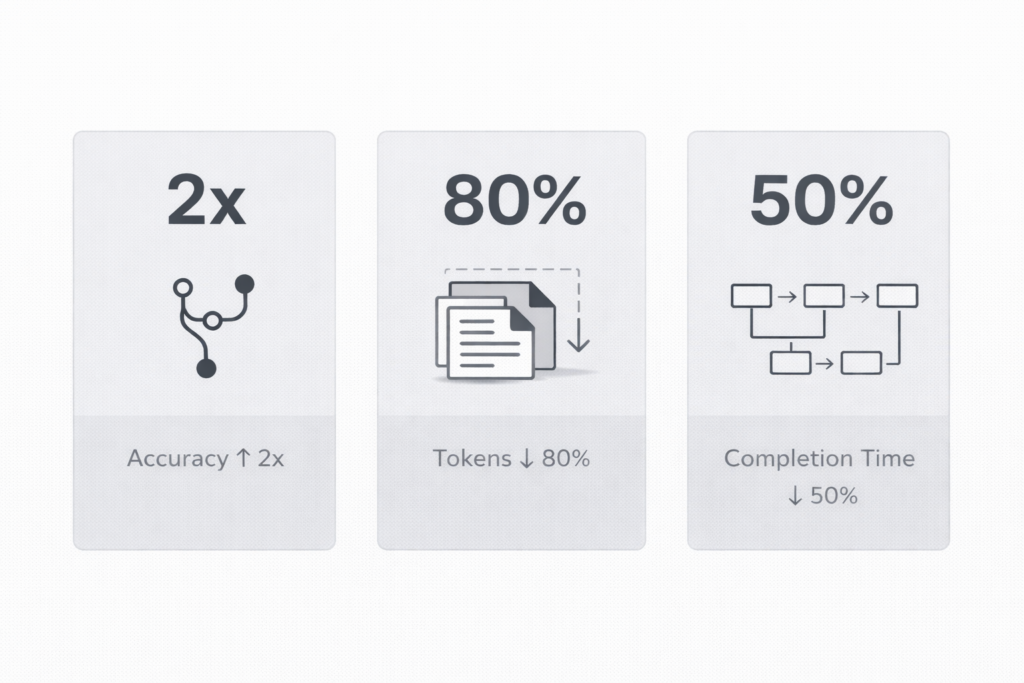
Organizations using enterprise context commonly see up to 2× improvement in accuracy, up to 80% reduction in token consumption by eliminating blind exploration, and up to 50% faster time to resolution on complex tasks.

The difference isn’t a better model. It’s better understanding.

How It Works

Intelligence is Built, not Configured

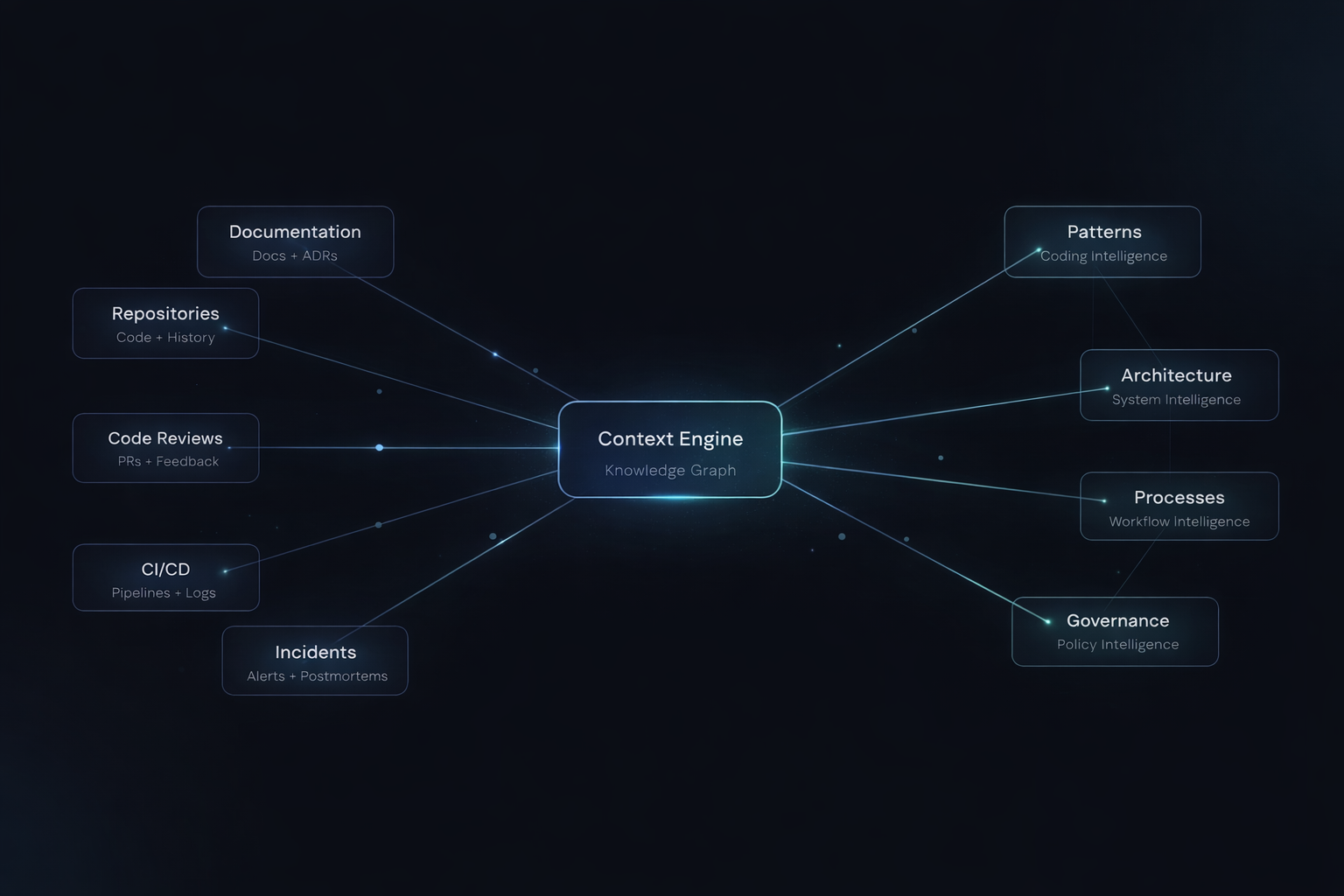
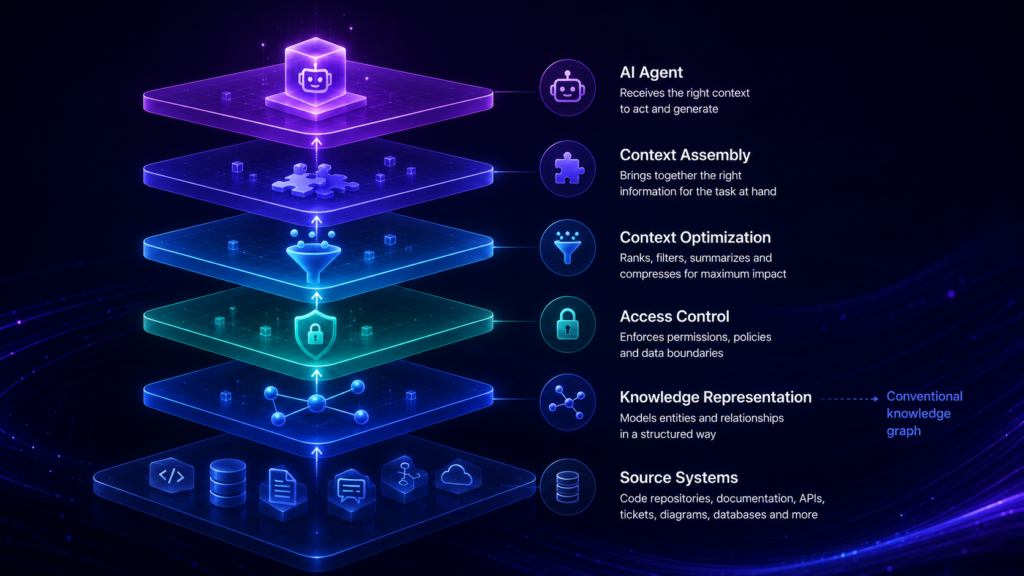
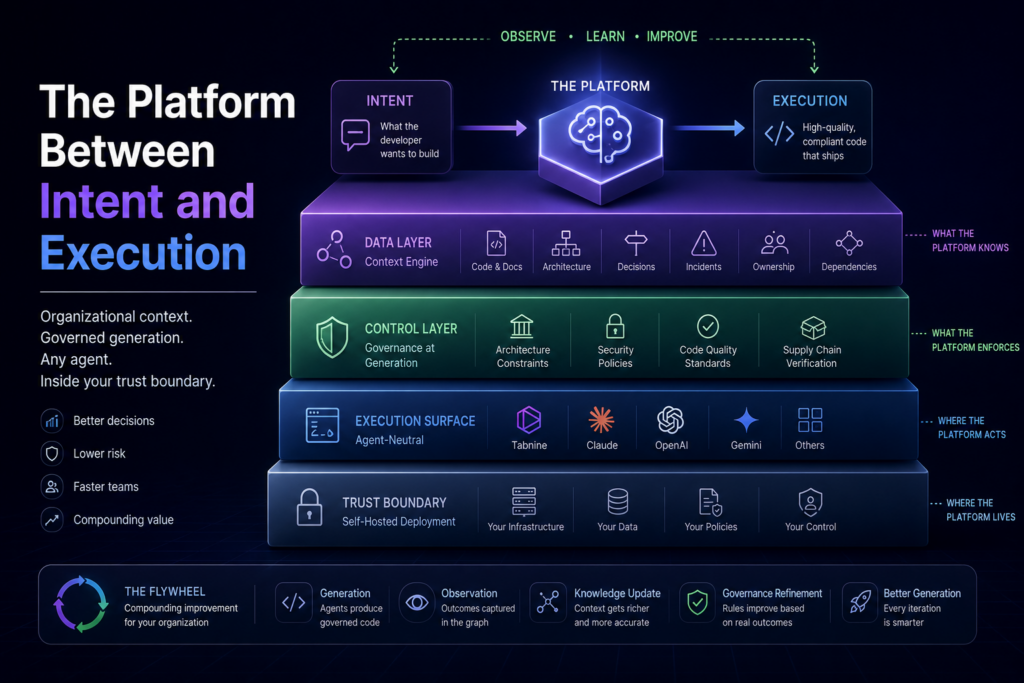
The Context Engine doesn't just index your files. It builds a structured intelligence layer that captures how your organization thinks about software — from individual coding idioms to system-wide architectural principles.

Deep Codebase Analysis

The Context Engine connects to your repositories, CI/CD systems, code reviews, documentation, and ticketing tools. It performs deep structural and semantic analysis — not just reading files, but understanding the relationships, history, and intent behind every artifact.

Client Logo 1

Knowledge Graph Construction

Extracted intelligence is organized into a multi-dimensional knowledge graph — linking code patterns to architectural decisions, team ownership to service boundaries, and historical incidents to the code that caused them.

Client Logo 1

Real-Time Intelligence Delivery

When any AI agent generates, reviews, or refactors code, the Context Engine delivers precisely the intelligence that matters for that task via MCP. The right knowledge, at the right moment.

ROI Model

The numbers tell the story

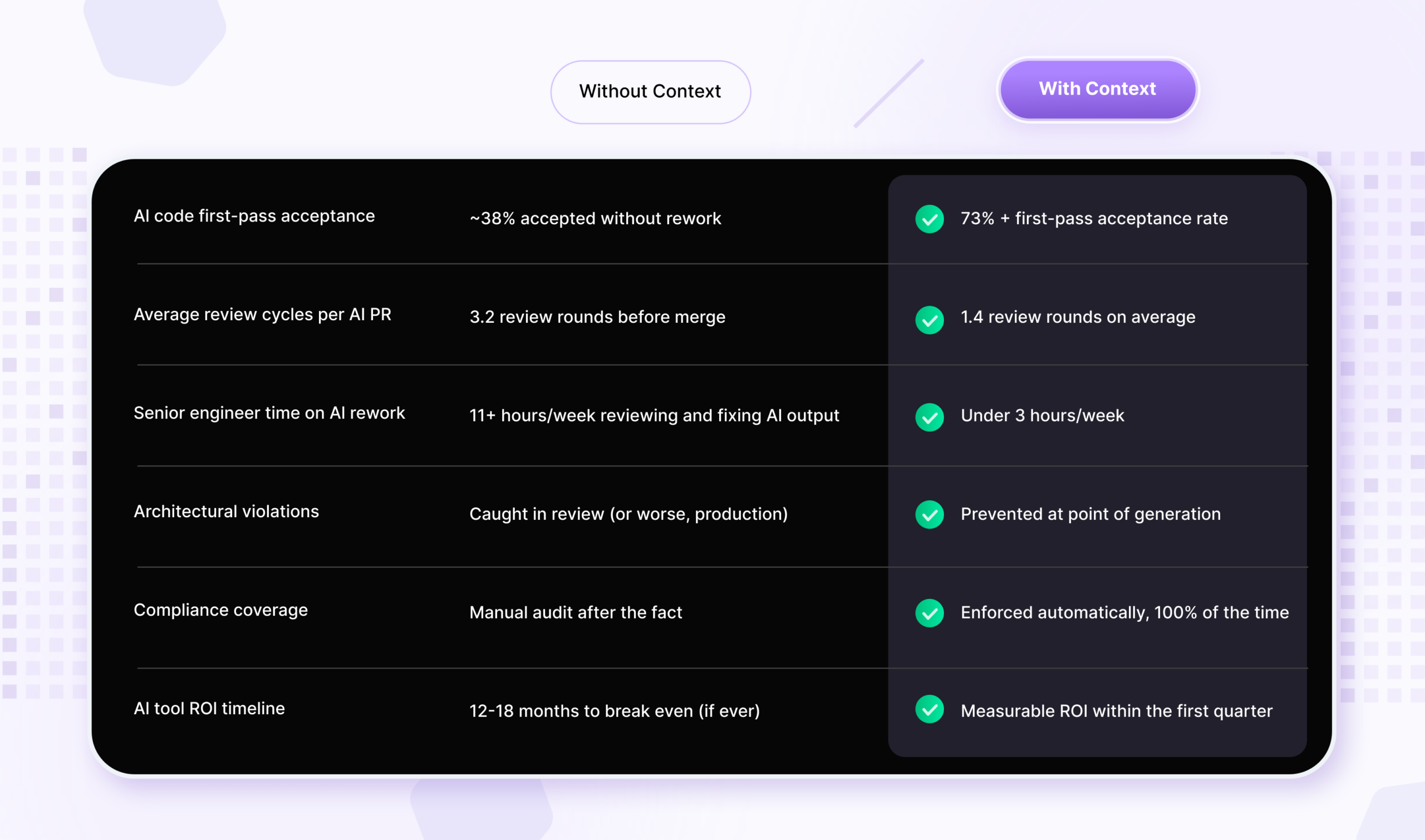
Without Context

AI code first-pass acceptance

~38% accepted without rework
73%+ first-pass acceptance rate

Average review cycles per AI PR

3.2 review rounds before merge
1.4 review rounds on average

Senior engineer time on AI rework

11+ hours/week reviewing and fixing AI output
Under 3 hours/week

Architectural violations

Caught in review (or worse, production)
Prevented at point of generation

Compliance coverage

Manual audit after the fact
Enforced automatically, 100% of the time

AI tool ROI timeline

12-18 months to break even (if ever)
Measurable ROI within the first quarter
The details

True Agentic Intelligence is not RAG

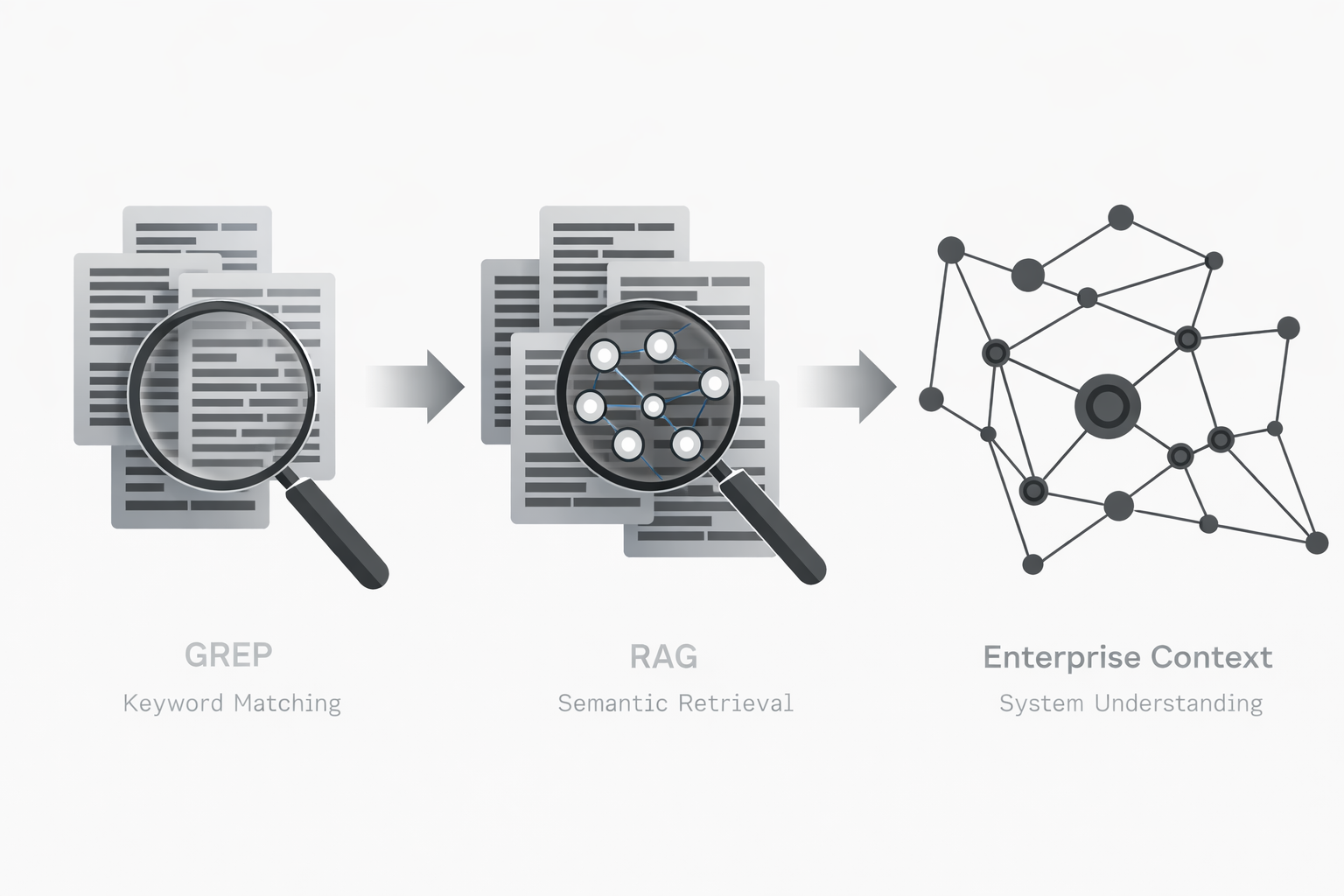
Most AI context tools do glorified keyword search over your files. The Context Engine builds a genuine understanding of your engineering organization.

Context > RAG > Grep

The Enterprise Context Engine is a continuously evolving organizational intelligence layer that goes beyond traditional Retrieval-Augmented Generation (RAG).

Instead of treating information as isolated documents or embeddings, it builds a structured model of the enterprise by extracting entities, relationships, dependencies, and patterns from both structured and unstructured sources.

This model forms a knowledge graph that agents can query to reason about systems, architecture, and workflows—not just retrieve text.

This turns enterprise knowledge into a system agents can understand, allowing them to make accurate decisions, evaluate consequences, and automate complex work with confidence.

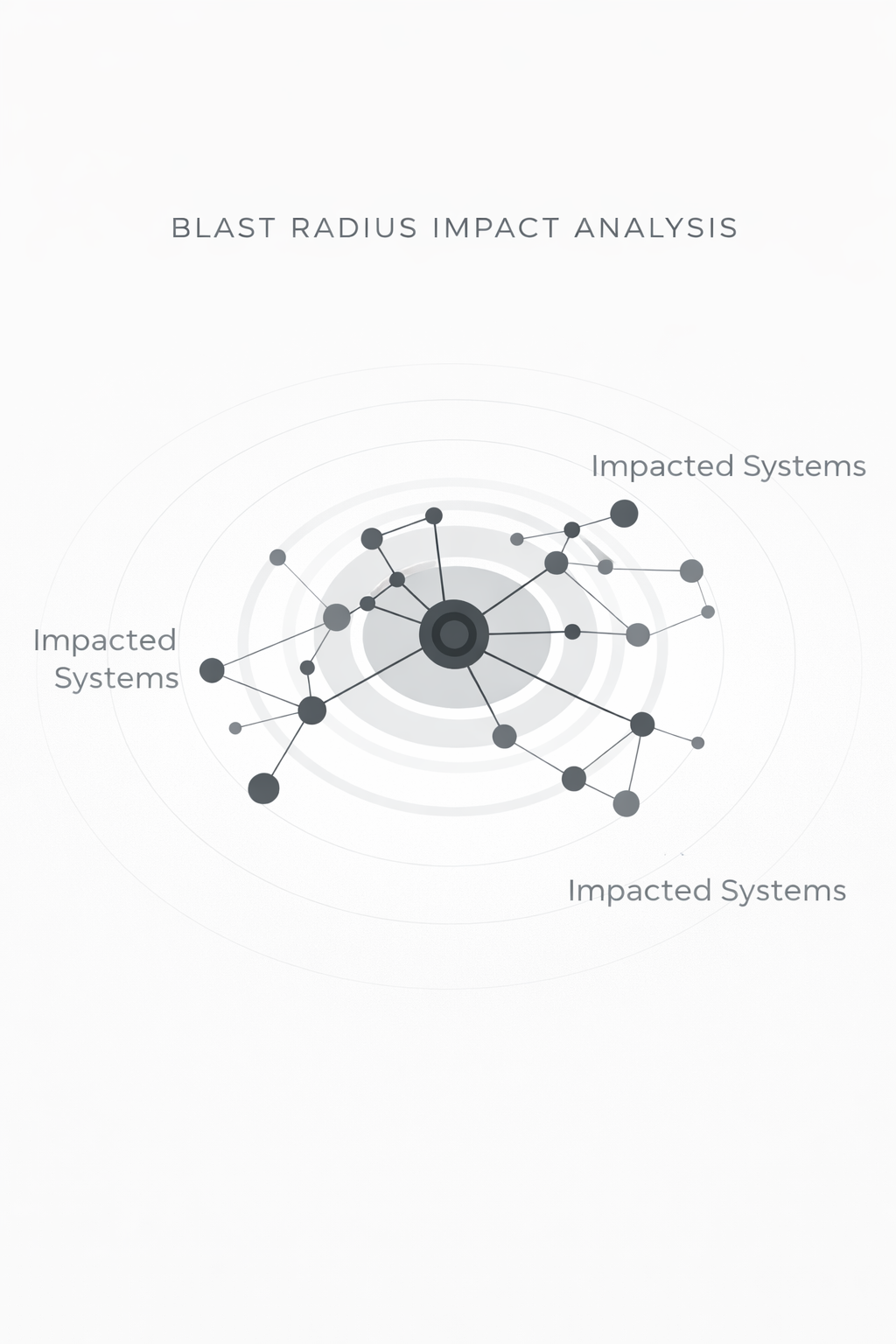
Blast Radius

Unlike vector-only approaches, the Context Engine supports structured queries and multi-step reasoning across dependencies and organizational rules. Agents can trace relationships, evaluate blast radius, follow architectural constraints, and verify outputs against both explicit specifications and implicit standards. This enables deeper verification and more reliable automation in complex enterprise environments

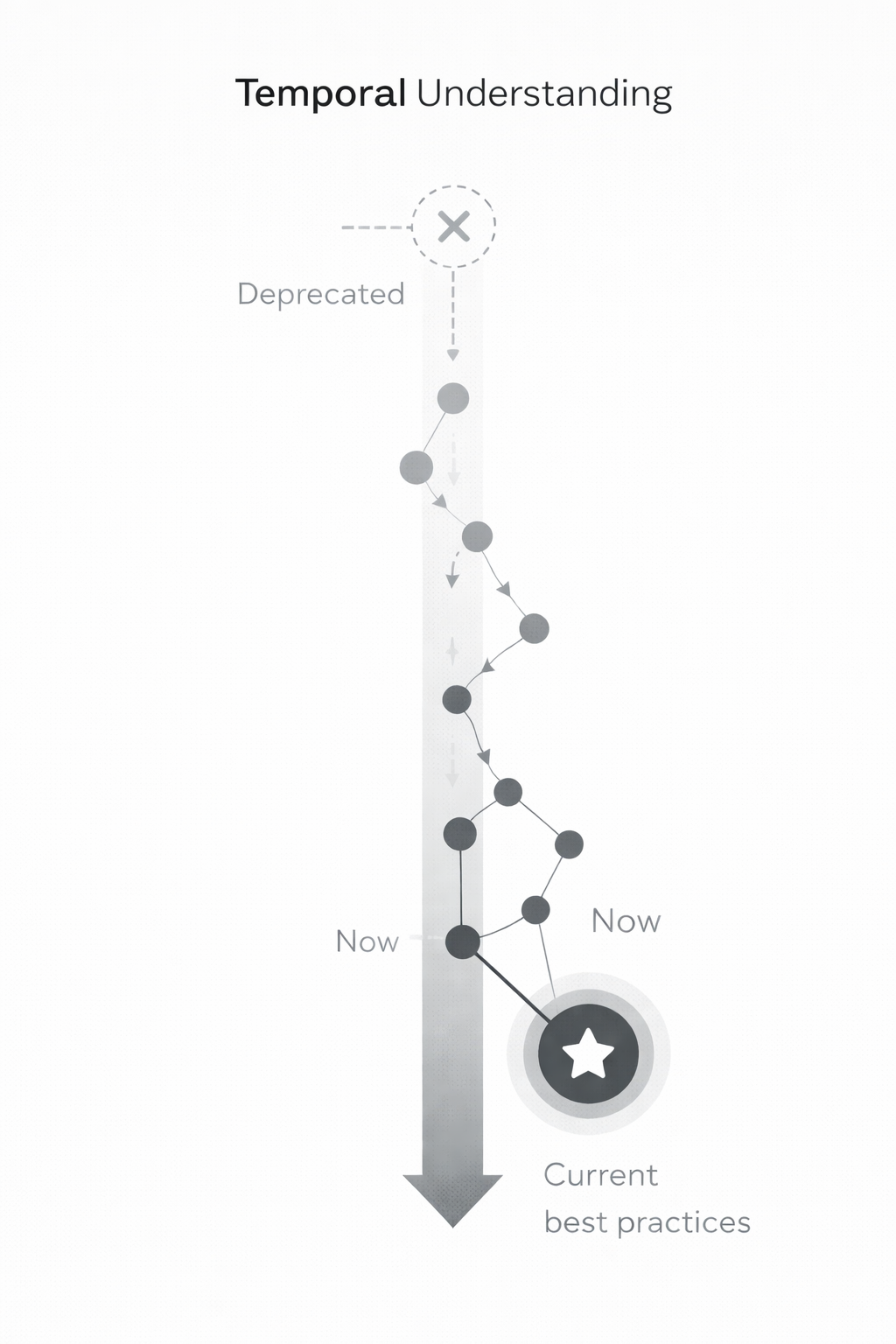
Temporal Understanding

Tracks how patterns emerge, evolve, and get deprecated over time — agents use current best practices, not stale ones.

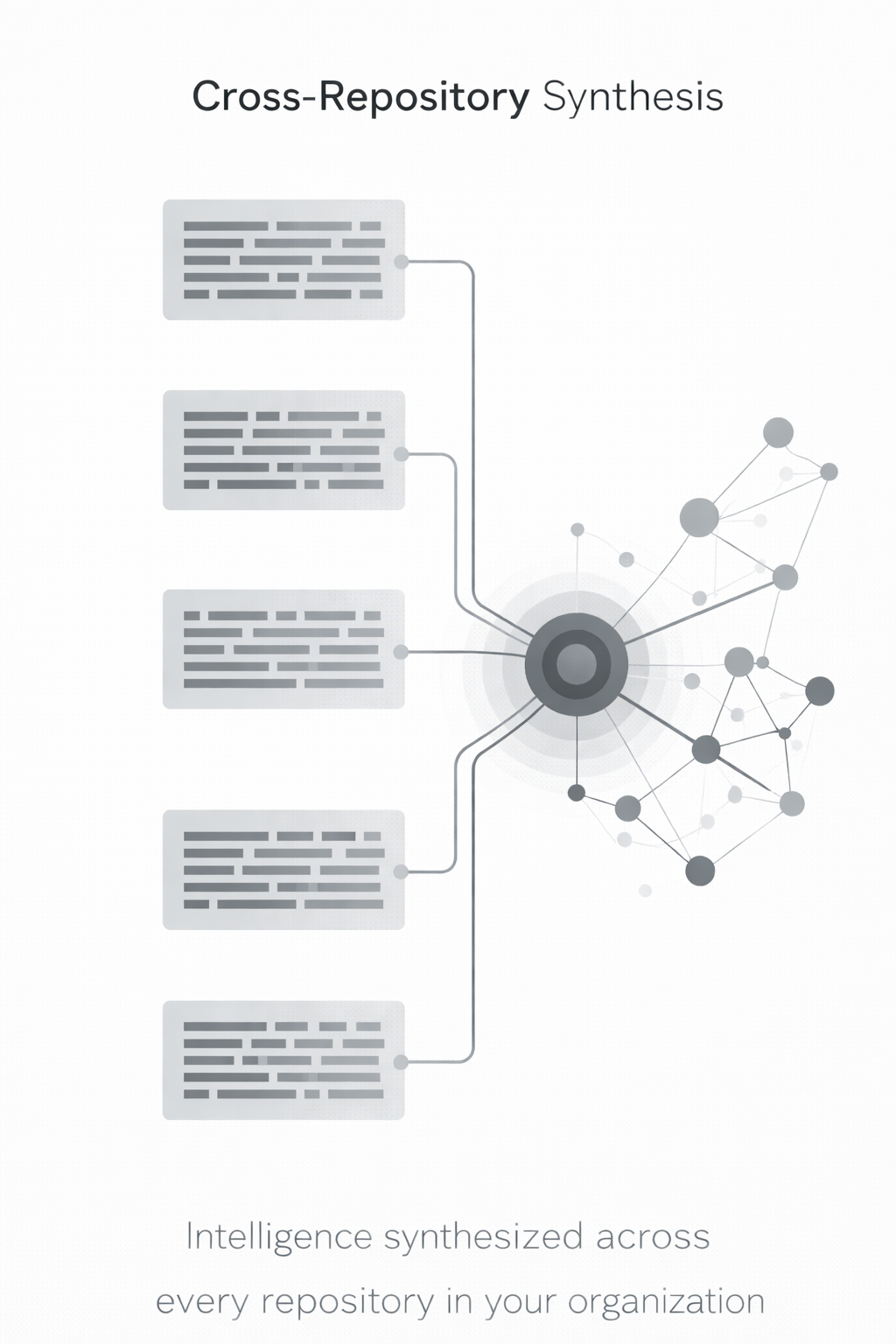
Cross-Repository Synthesis

Intelligence synthesized across every repository in your organization.

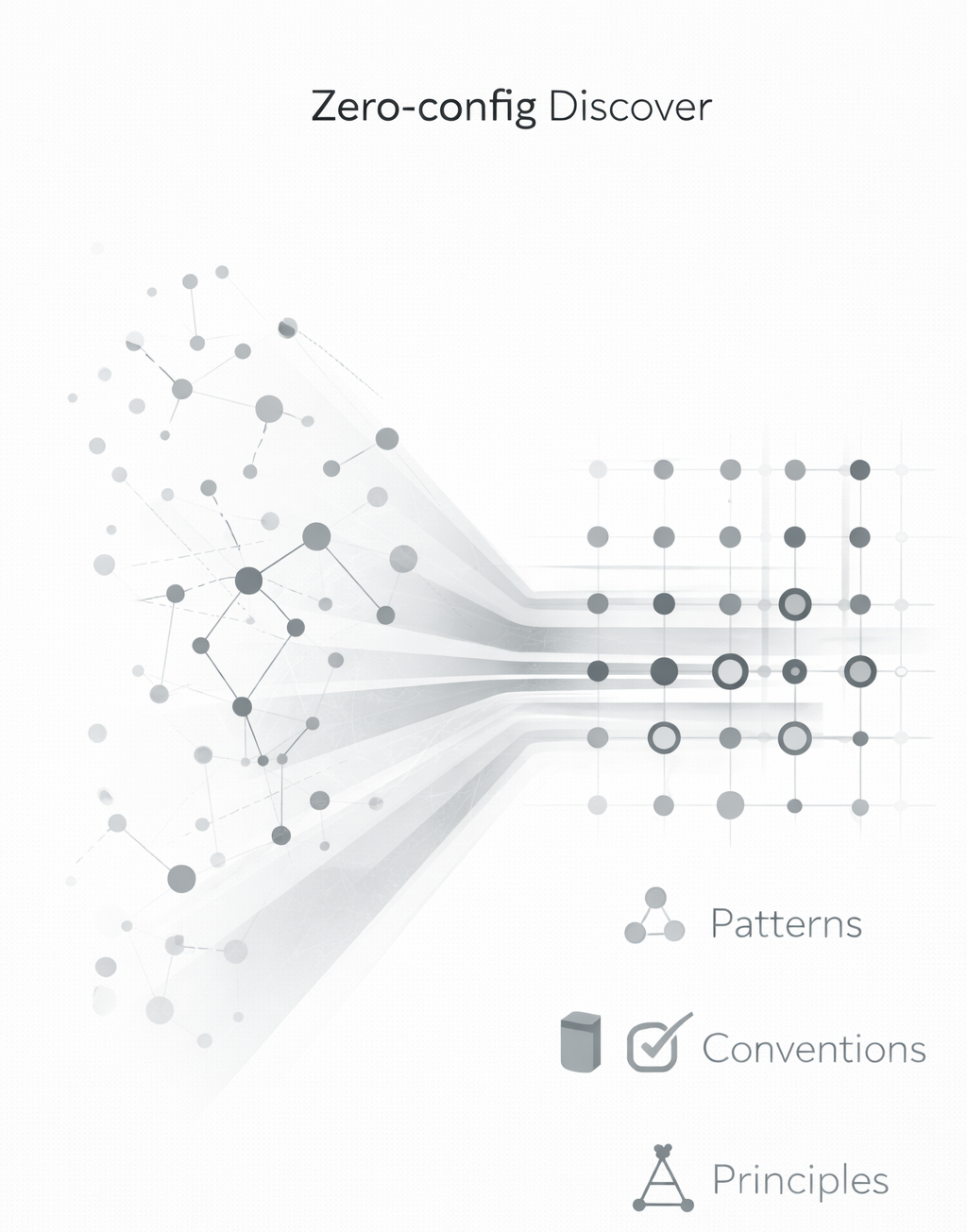
Zero-Config Discovery

Discovers patterns, conventions, and architectural principles automatically from your existing artifacts.

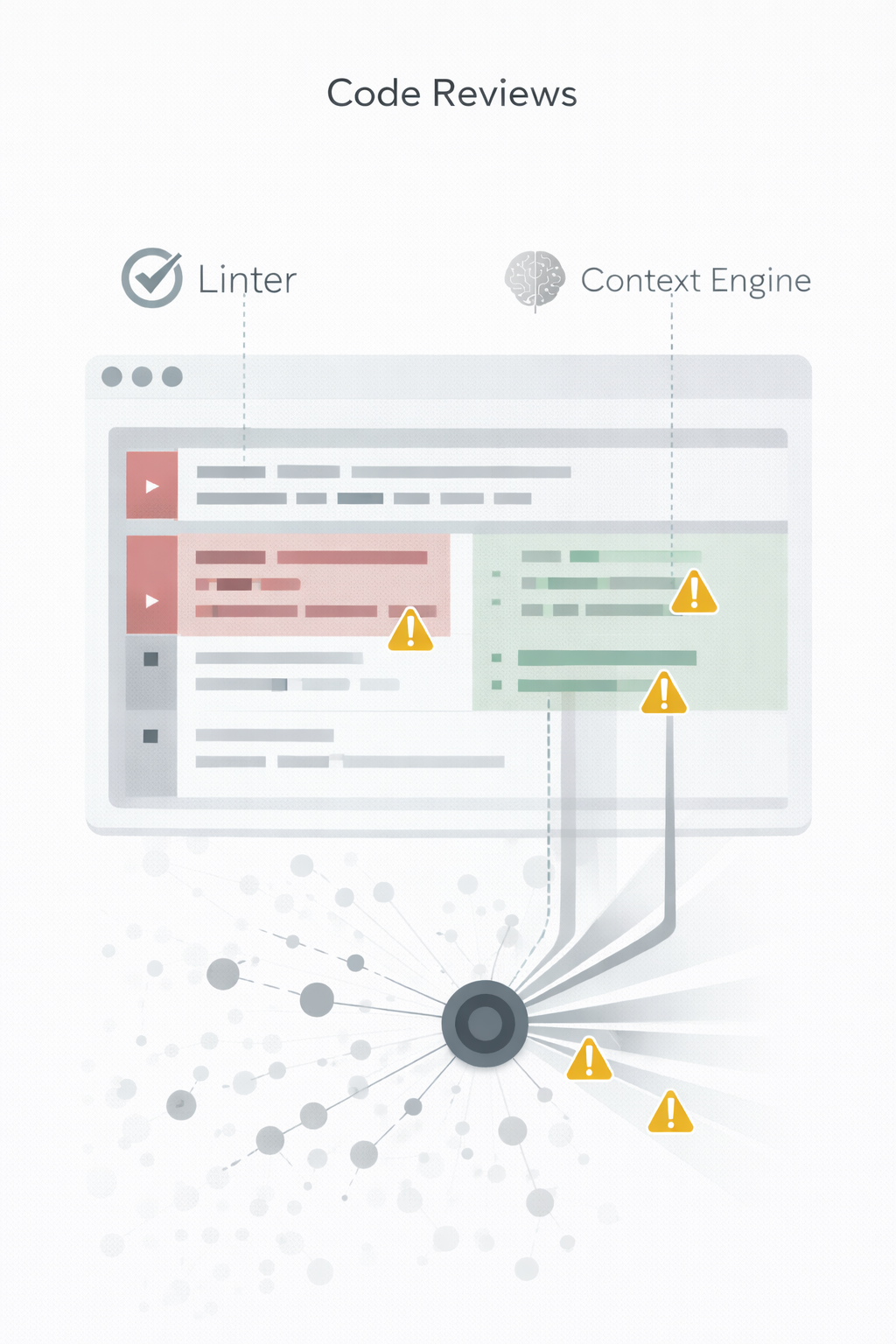
Code Review

Your best reviewers catch issues that linters never will — subtle violations of team conventions, missed edge cases, patterns that “feel” wrong. The Context Engine learns from thousands of real review interactions and can alert you at the time of your pull request.

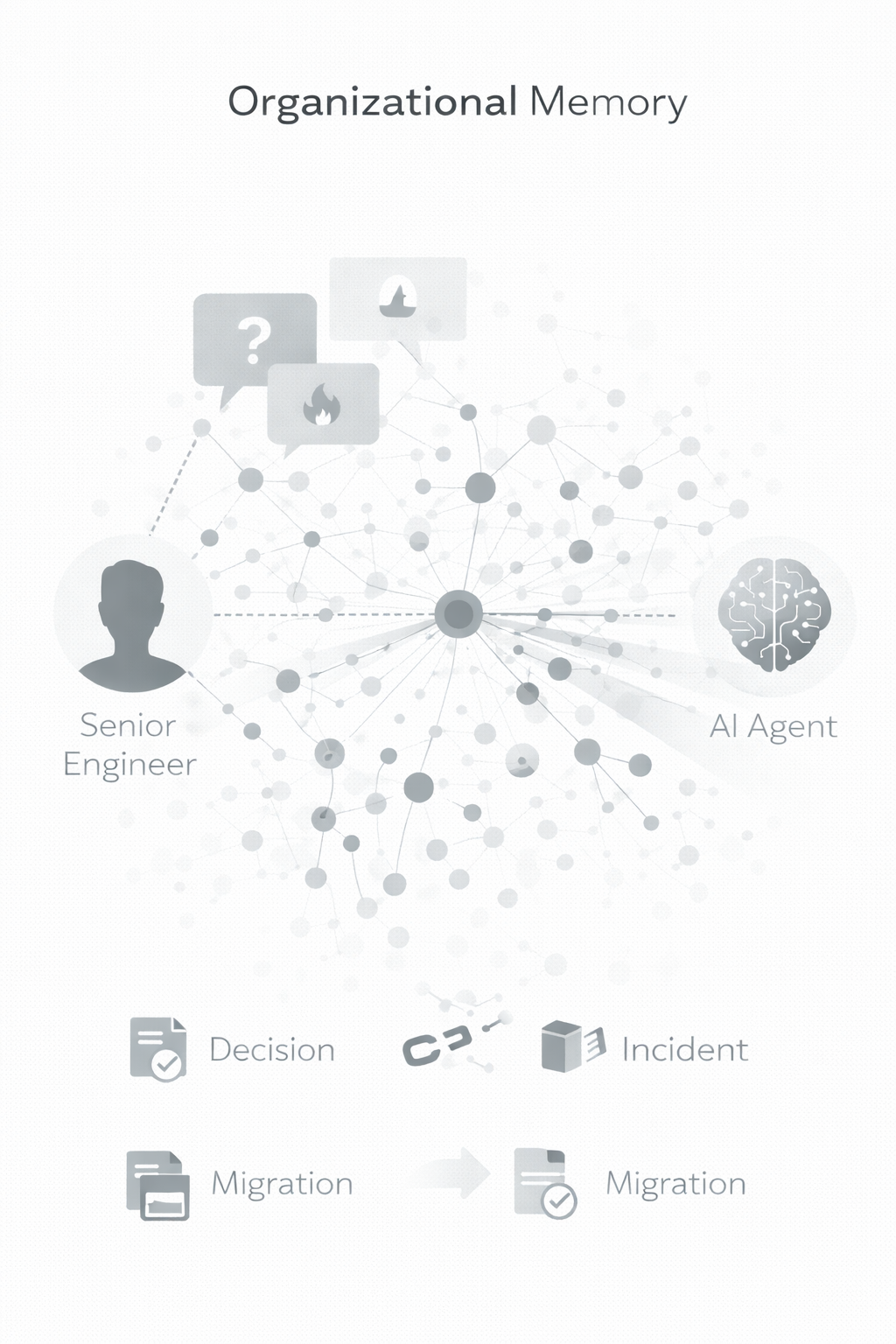
Organizational Memory

Why was that decision made? What broke last time? Which migration is in progress? Your senior engineers carry this context. Now your AI agents do too.

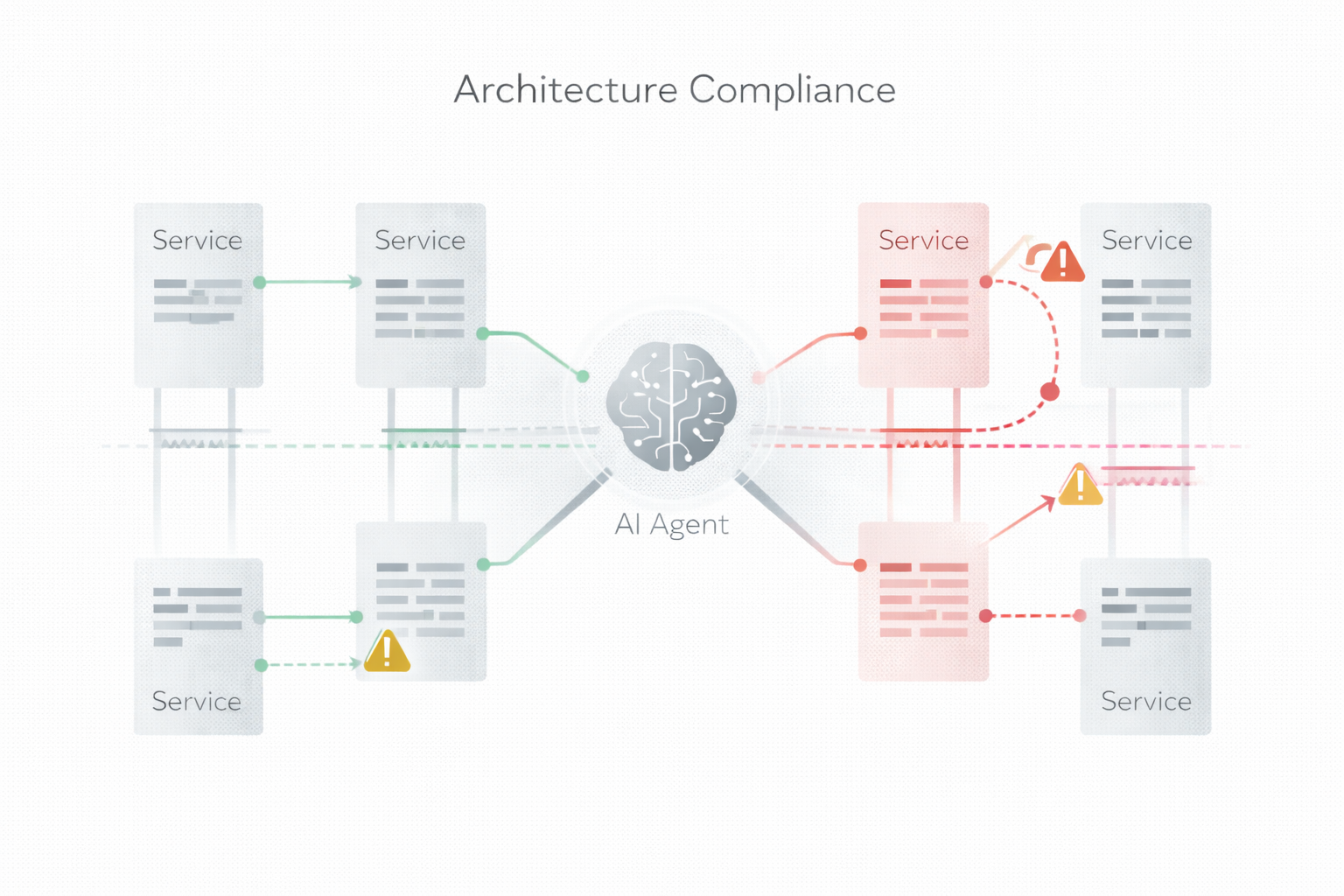
Architectural Compliance

Stop AI agents from generating code that crosses service boundaries, introduces circular dependencies, or violates your data flow principles. Architectural guardrails built into every generation.

Experience the power of our platform.

See how Claude Code improves with the Tabnine Enterprise Context Engine

Testimonials

Users love Tabnine

It is truly incredible. I was rewriting my configuration system and as soon as I activated it felt like it was reading my mind.

Ok @tabnine is getting really good. I refactored a React component and went to then use it and it automatically completed not just the name, but the correct props to it and they aren't common to anything else in the codebase. :mind-blown:

Tabnine is the best AI coding assistant currently available. I am on the pro version and it has become an indispensible tool. I'm easily 50% faster with coding as well as documenting my code.

Tabnine is great! Very handy indeed. Couldn't see myself working without it now, it does a great job at reducing redundant typing. Would definitely recommend.

I've been using Tabnine and it really saves a lot of time, especially when writing repeat patterns (like copying multiple structs or implementing interfaces). Reduces speed of some actions by 20% easily.

I must say, out of all the coding AI assistants out there, Tabnine is superior. It offers creating tests, explaining the code, fixing the code, and documenting — all seamlessly in the IDE. No other assistant currently does this...

We don't meant to brag

The context engine innovation

From the leader in agentic coding, our context engine has been received with enthusiasm

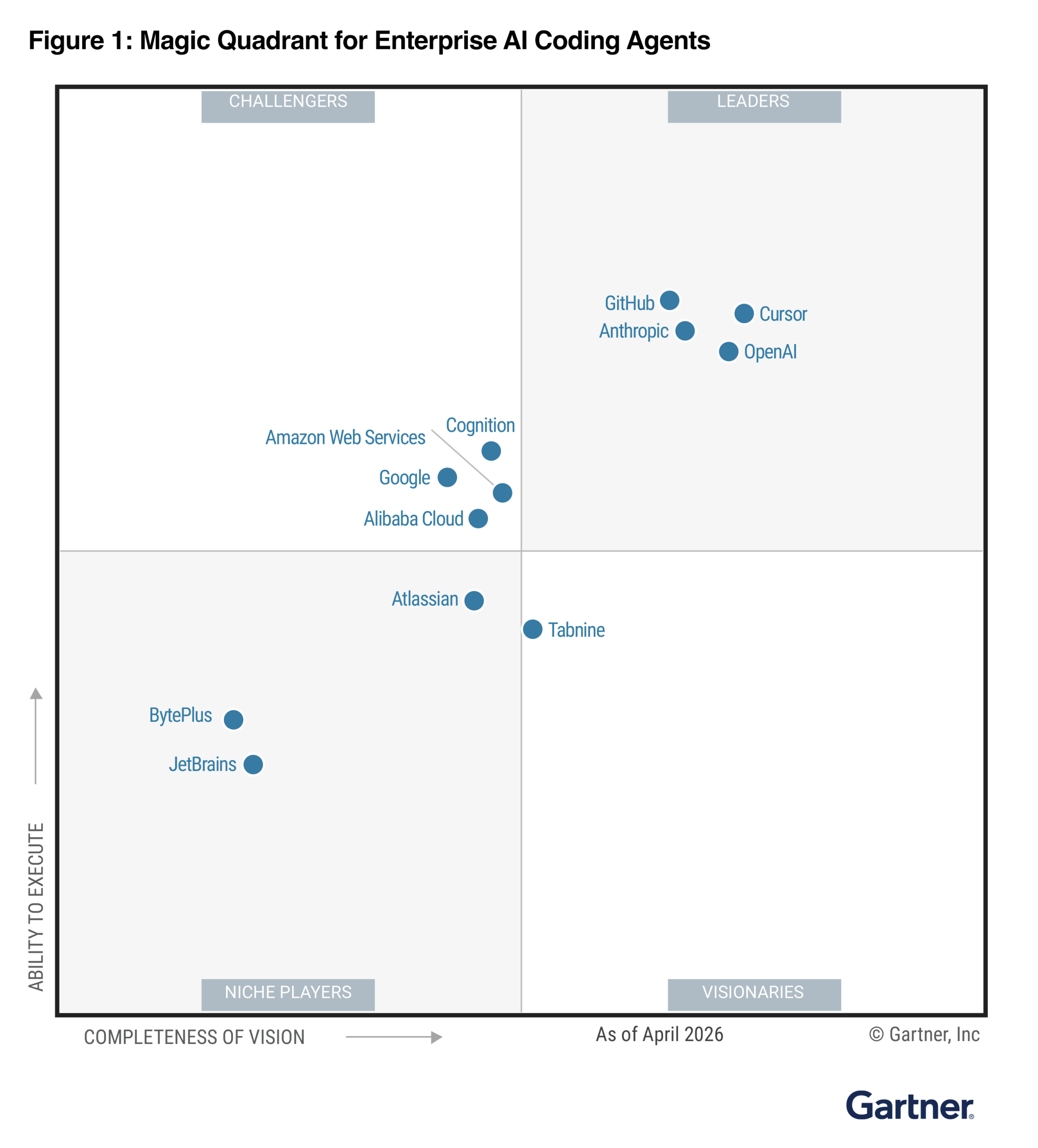
A Visionary in more way than one

Tabnine named a Visionary in the September 2025 Gartner® Magic Quadrant™ for AI Code Assistants

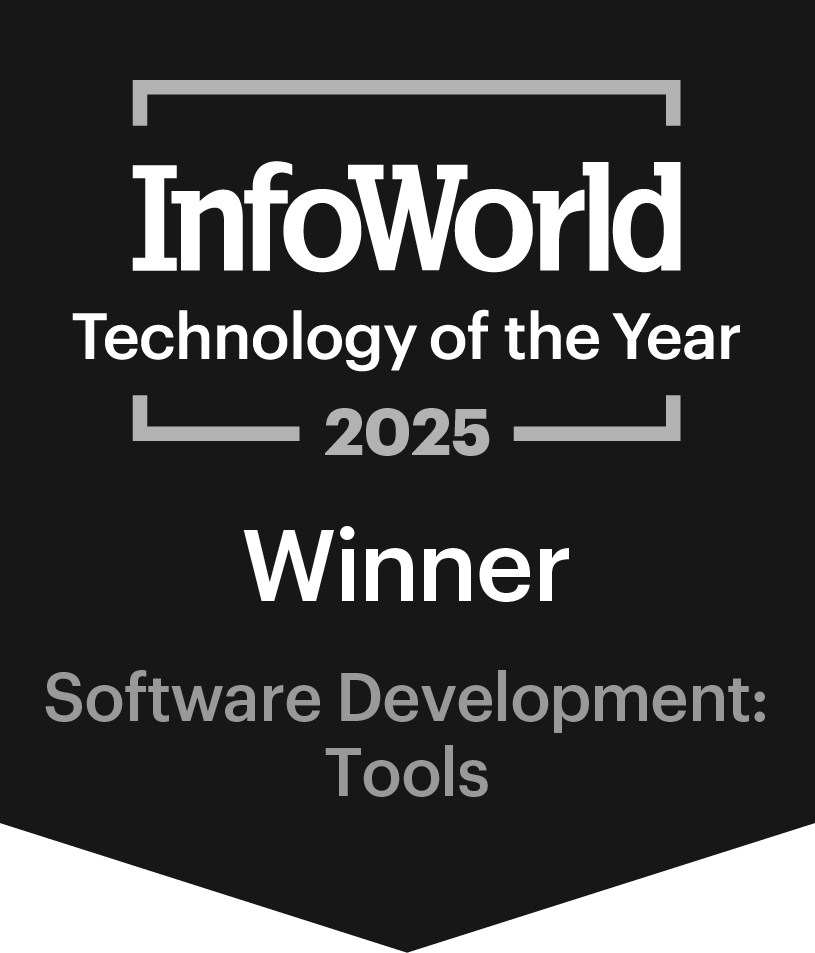
InfoWorld 2025 Technology of the Year

When you’re building AI for the enterprise, awards aren’t the goal, but they’re a meaningful signal you’re solving real problems. Today, we’re proud to share that Tabnine has been selected as the winner of Foundry’s InfoWorld 2025 Technology of the Year, recognizing the most innovative products shaping software development, DevOps, data engineering, and AI/ML.

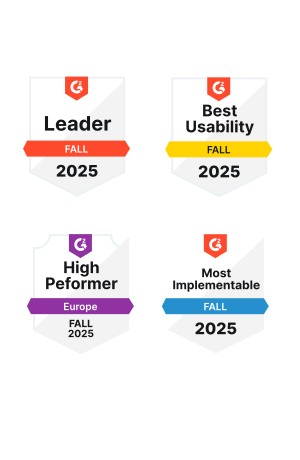
Users have cast their vote

Winning becomes easy when you're in front of the innovation curve.

FAQ

Still got questions?

Some helpful answers to common questions. Or just reach out to us...we'd love to chat.

Traditional RAG retrieves documents based on similarity. The Enterprise Context Engine builds a structured model of your systems, including entities, relationships, and dependencies, enabling agents to reason about architecture, workflows, and consequences—not just retrieve text.

It supports on-premises, private VPC, and air-gapped deployments, allowing organizations to keep sensitive code and data inside their security perimeter.

No. The Enterprise Context Engine works alongside tools like Cursor, GitHub Copilot, Claude Code, and Tabnine, providing the context layer that makes all of them more accurate and reliable.

Tabnine pioneered the AI coding assistant space, back in 2016. The context engine is both included in the Tabnine Agentic coding platform, and is also available as a standalone product to improve all third party agentic solutions.

Empower your agents with human-like capabilities